Nth Generation
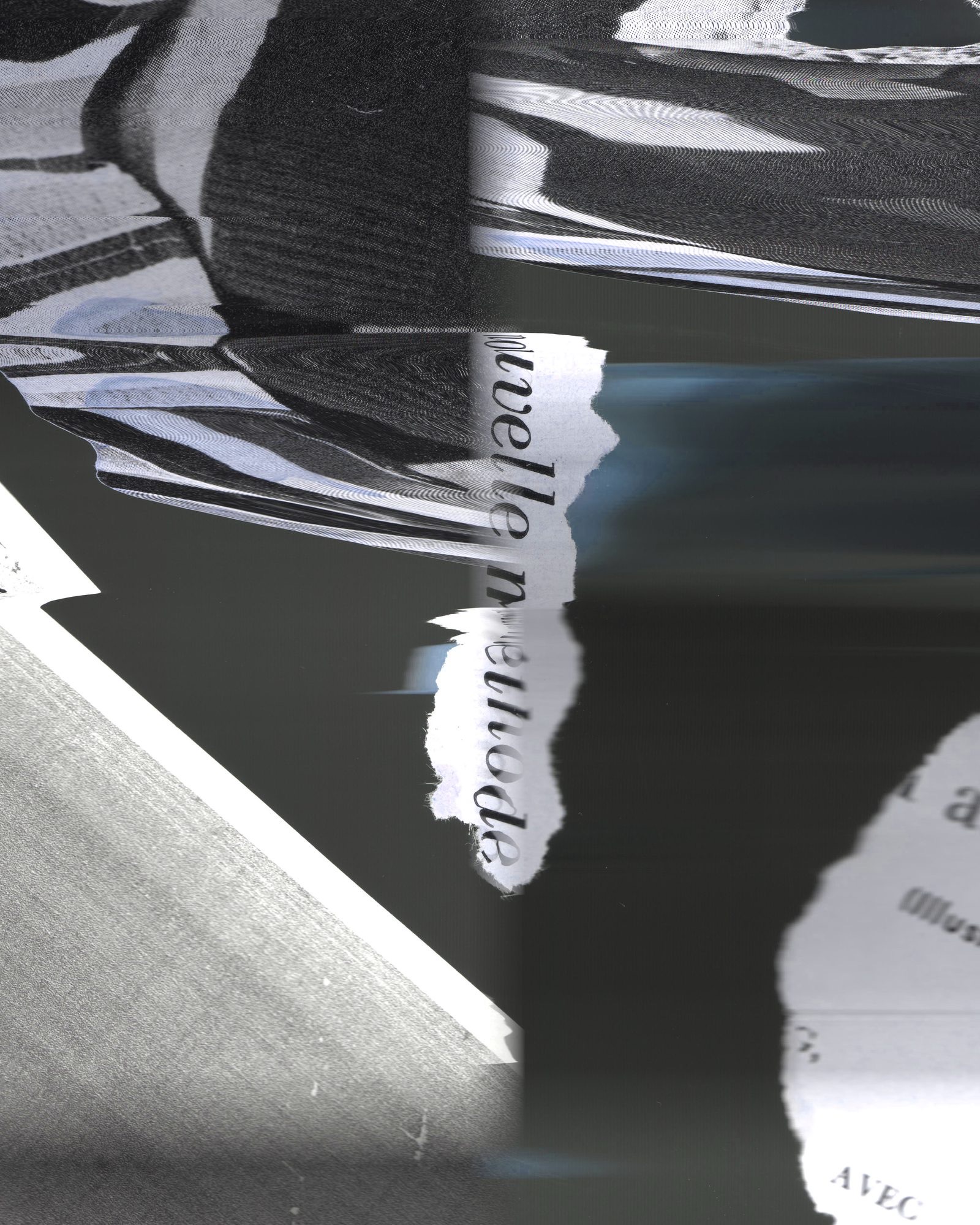
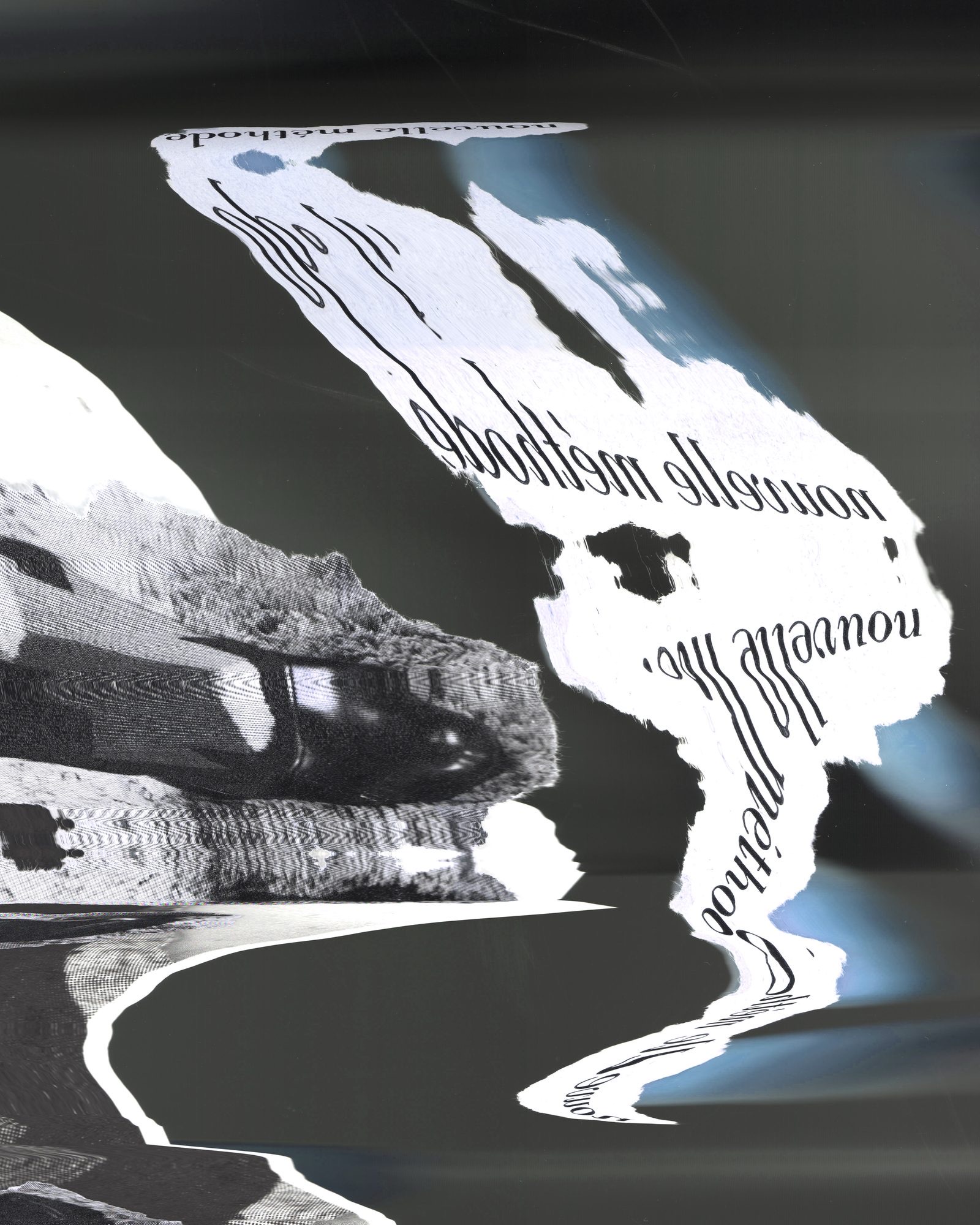
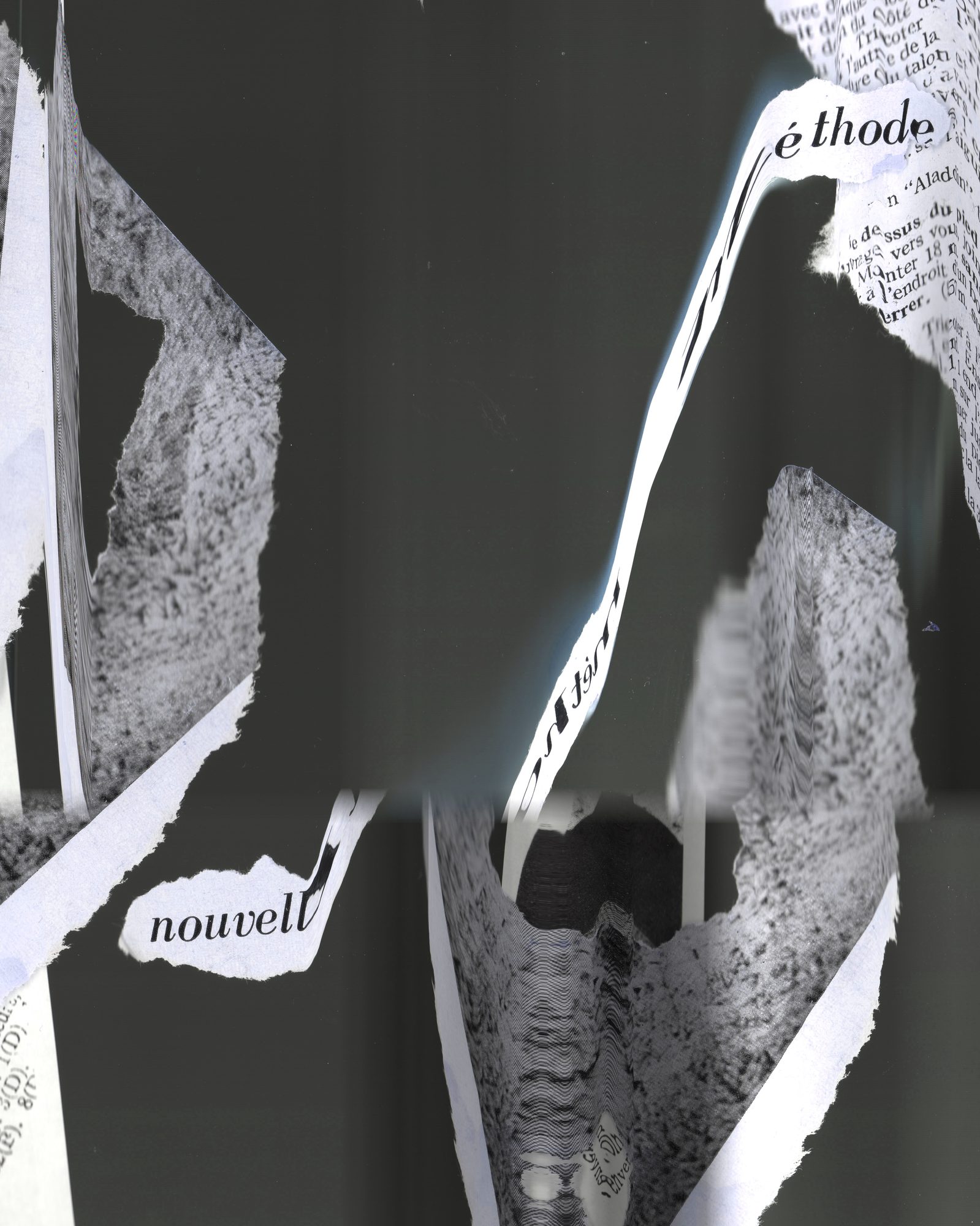
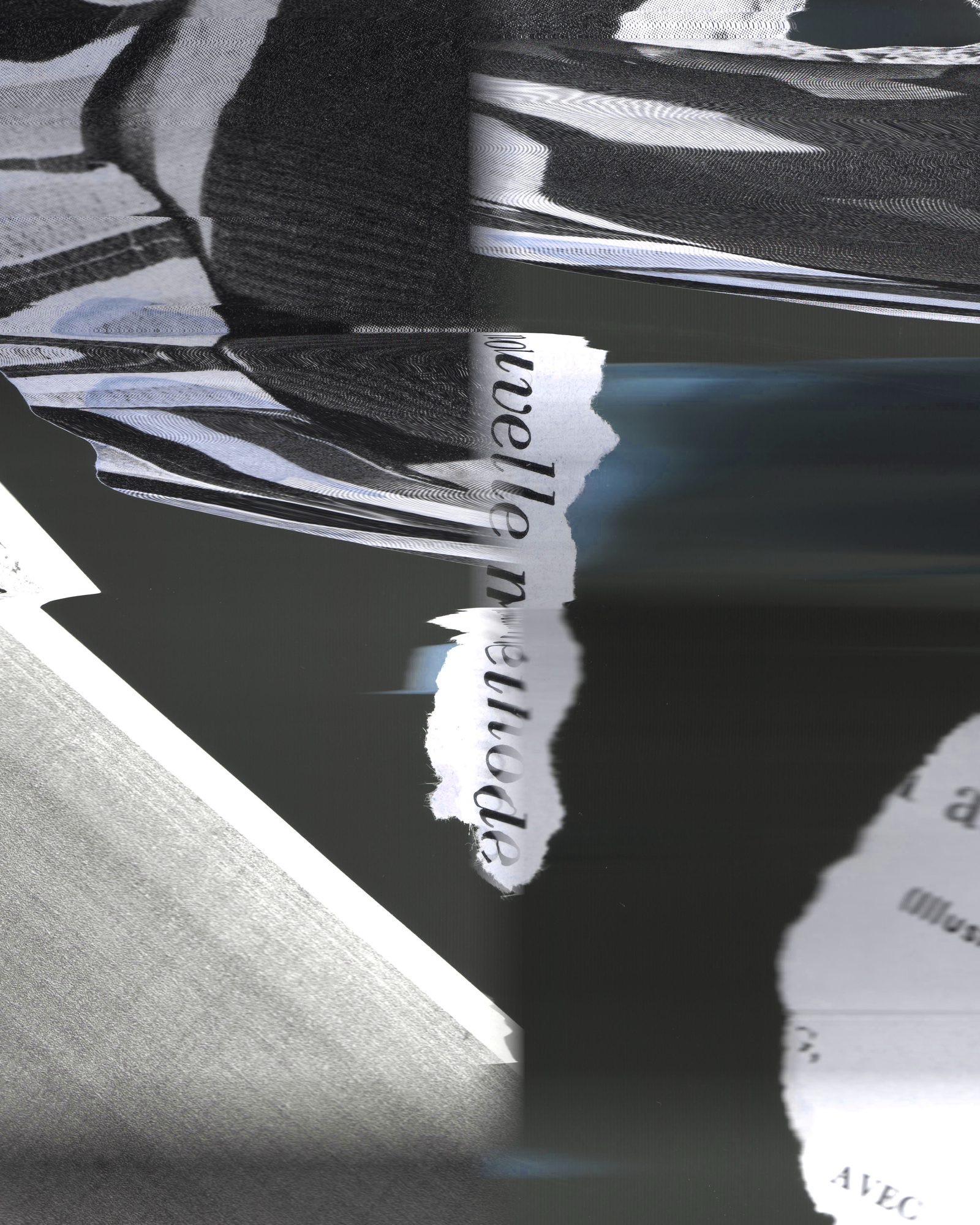
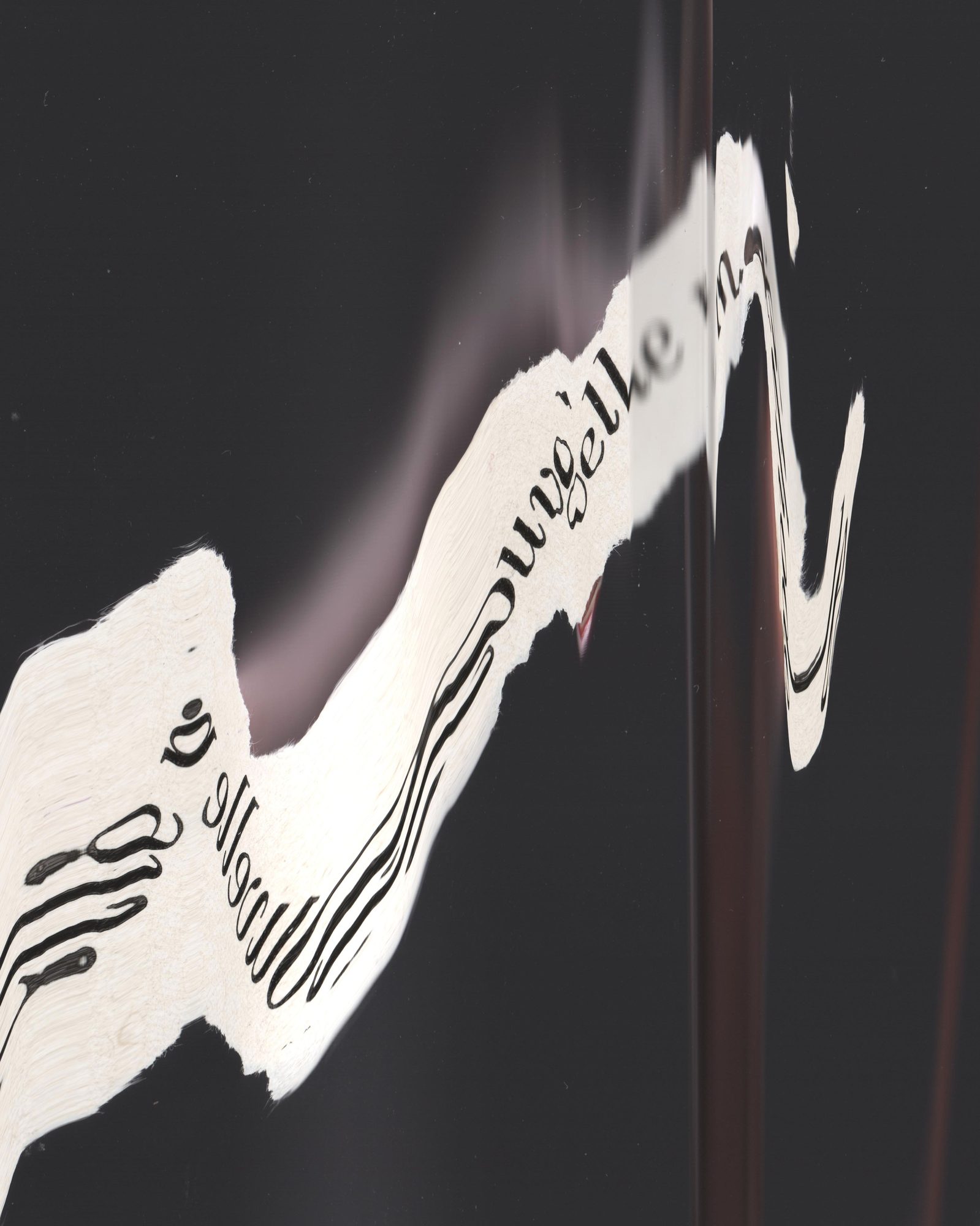
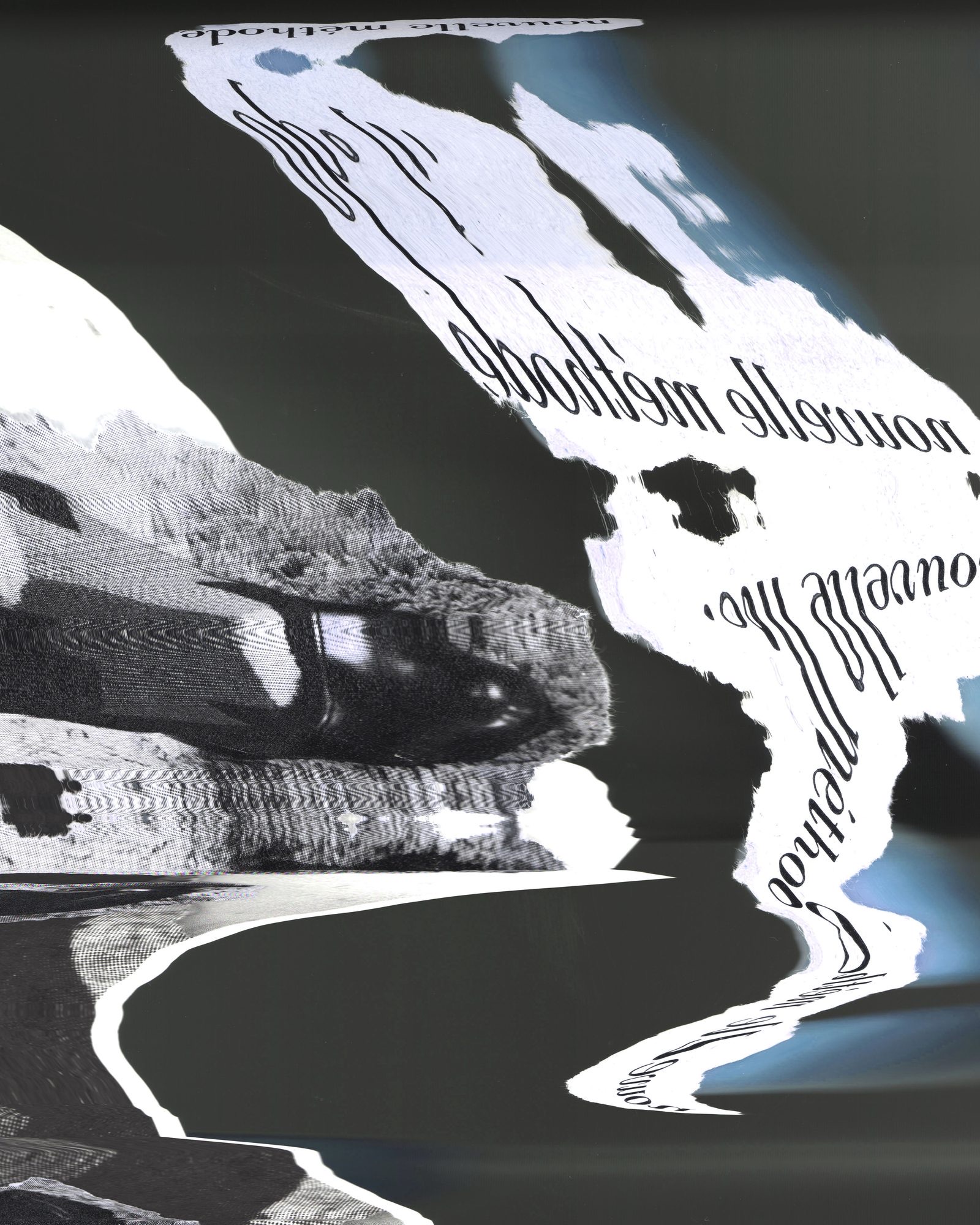
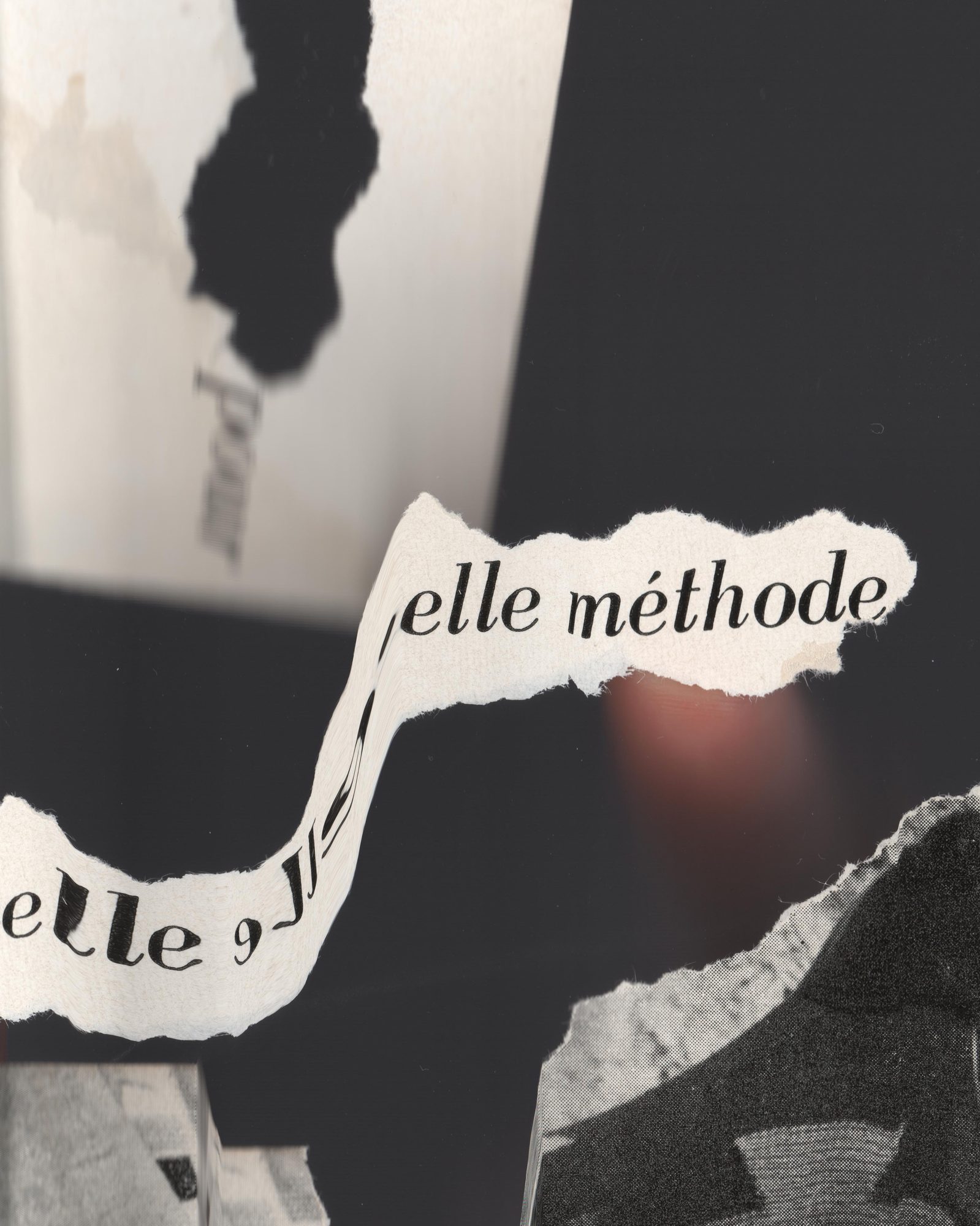
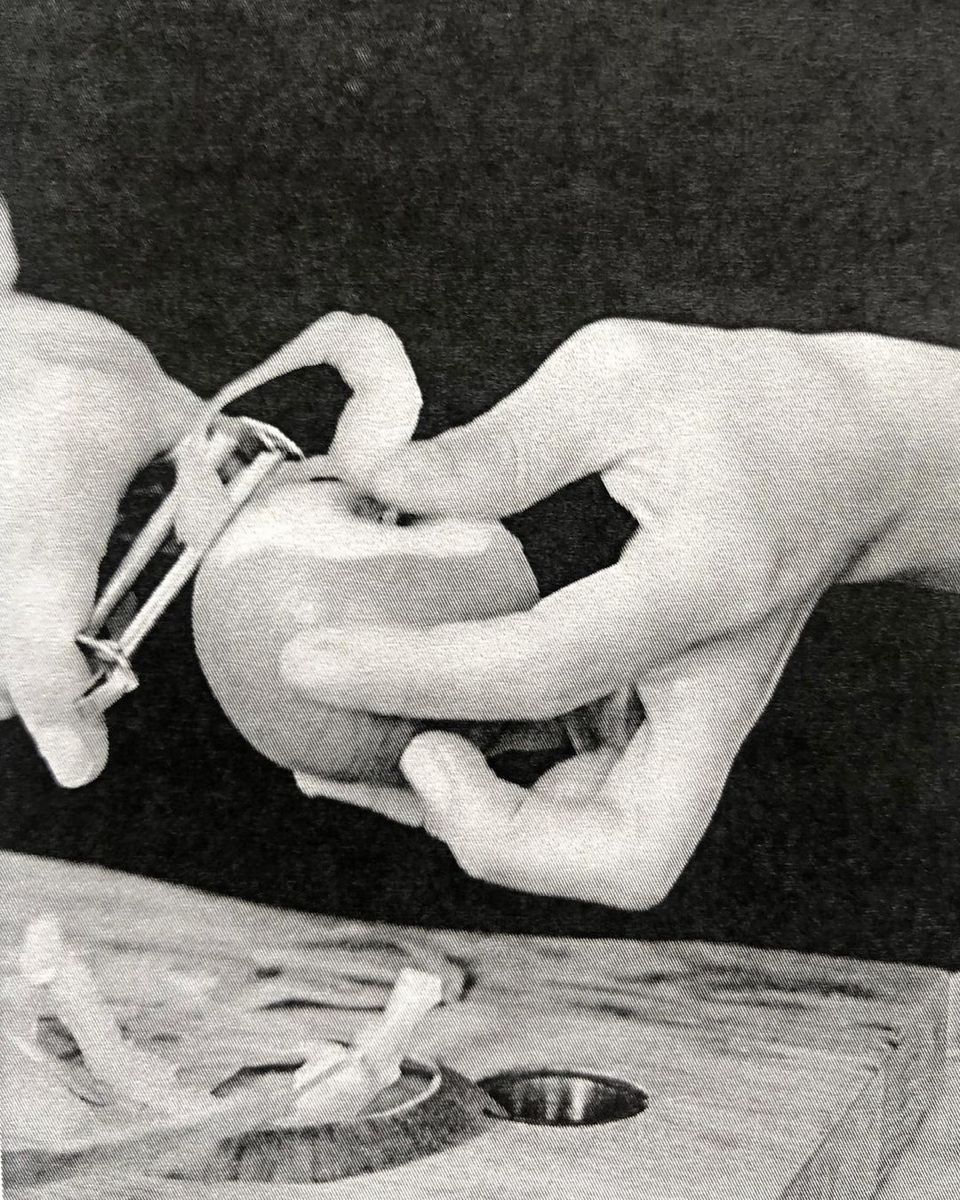
Each pass through the machine produces a new original. Photocopied, scanned, re-scanned, compressed, the image doesn't simply degrade; it is remade by the conditions of its transfer — a face pressed to glass, flattened by light.
What Hito Steyerl calls the poor image, degraded, compressed, stripped of resolution, is often discussed in terms of circulation and speed. Each reproduction inherits not only content but the material noise of every prior handling: moiré patterns from misaligned grids, colour shifts from depleted toner, phantom edges where paper buckled against the platen. These are not errors. They are indexical traces of the machine's touch.
To copy is already to flatten, crop, and compress, decisions made not by intention but by the physical limits of glass, light, and heat. What Jacques Derrida names the archive's drive toward its own destruction is here not metaphorical but mechanical, the slow accumulation of material interference with each generation of transfer.
What remains after the tenth pass, the twentieth, is residue: toner dust, registration marks, the grain of paper reproduced as image. Scraps and fragments that are honest precisely for having been handled, pressed, and re-pressed. If the stable document is a fantasy of permanence, these works hold up what the machine actually produces.