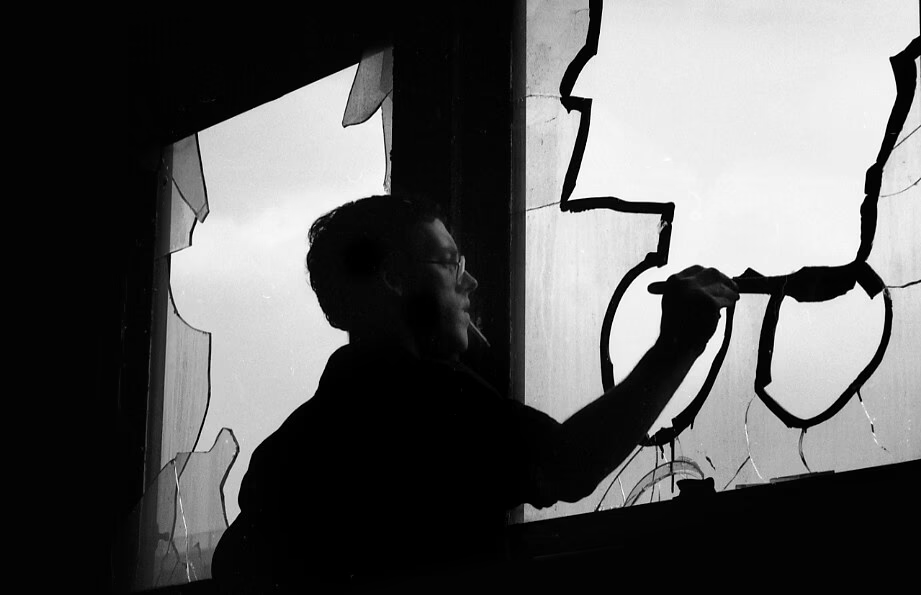
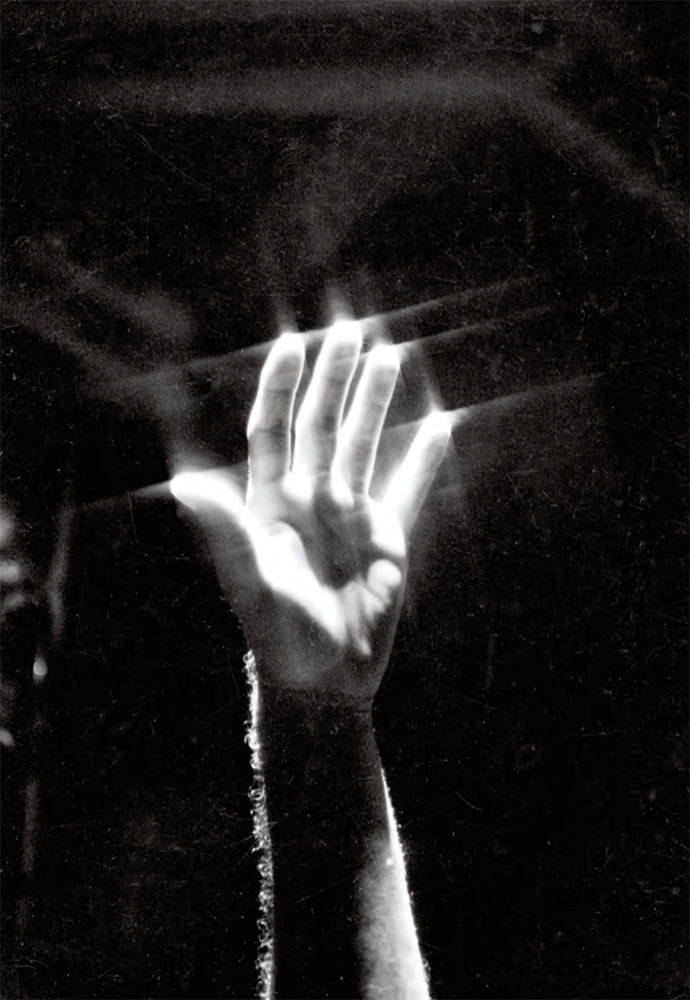
Drawing on the work of Alvin Baltrop, David Wojnarowicz, and Eric Rhein, Beck traces a lineage that moves from the erotic and precarious freedom of New York City’s West Side piers, through the militant visual language of AIDS-era activism, to quieter, contemplative forms of remembrance shaped by long-term survivorship.

Situating these practices within affect theory, queer and feminist scholarship, and archival studies, the lecture considers how grief takes form — materially, spatially, and temporally — across different historical moments of the epidemic. Particular attention is paid to the role of language, embodiment, and care: from Wojnarowicz’s confrontational refusal of governmental silence to Rhein’s tender reimagining of memory in the era of antiretroviral therapy and U=U.
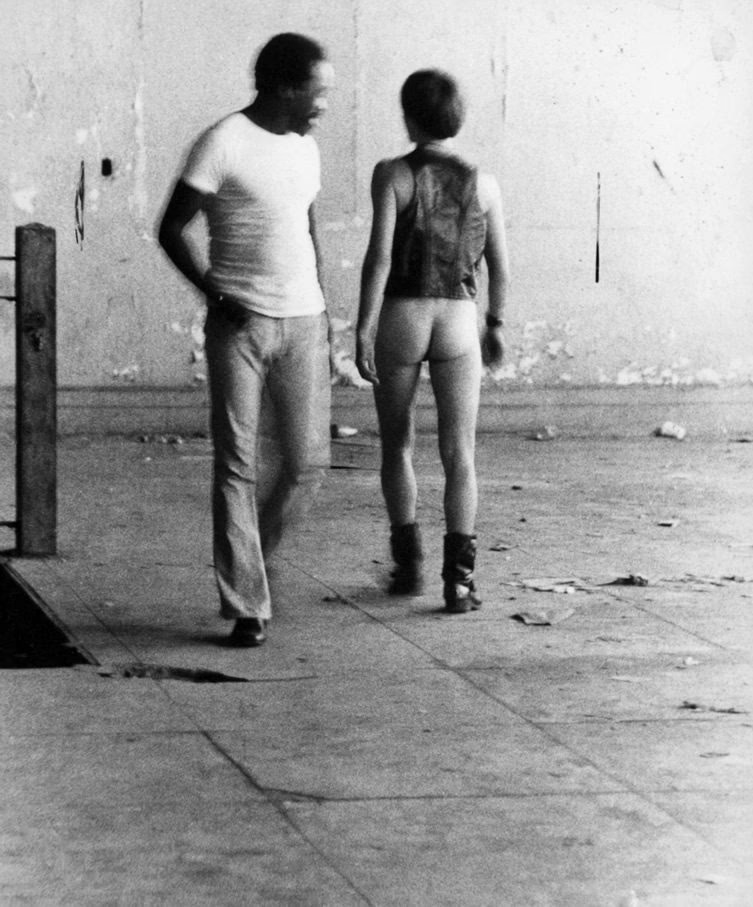
Rather than framing AIDS-related art solely through loss, this lecture emphasizes continuity, persistence, and the ethics of remembrance. By placing militant and meditative practices in dialogue, Beck argues that queer art history offers not a singular narrative of crisis, but a continuum of resistance — where rage and care coexist, and memory becomes a living, sustaining force.