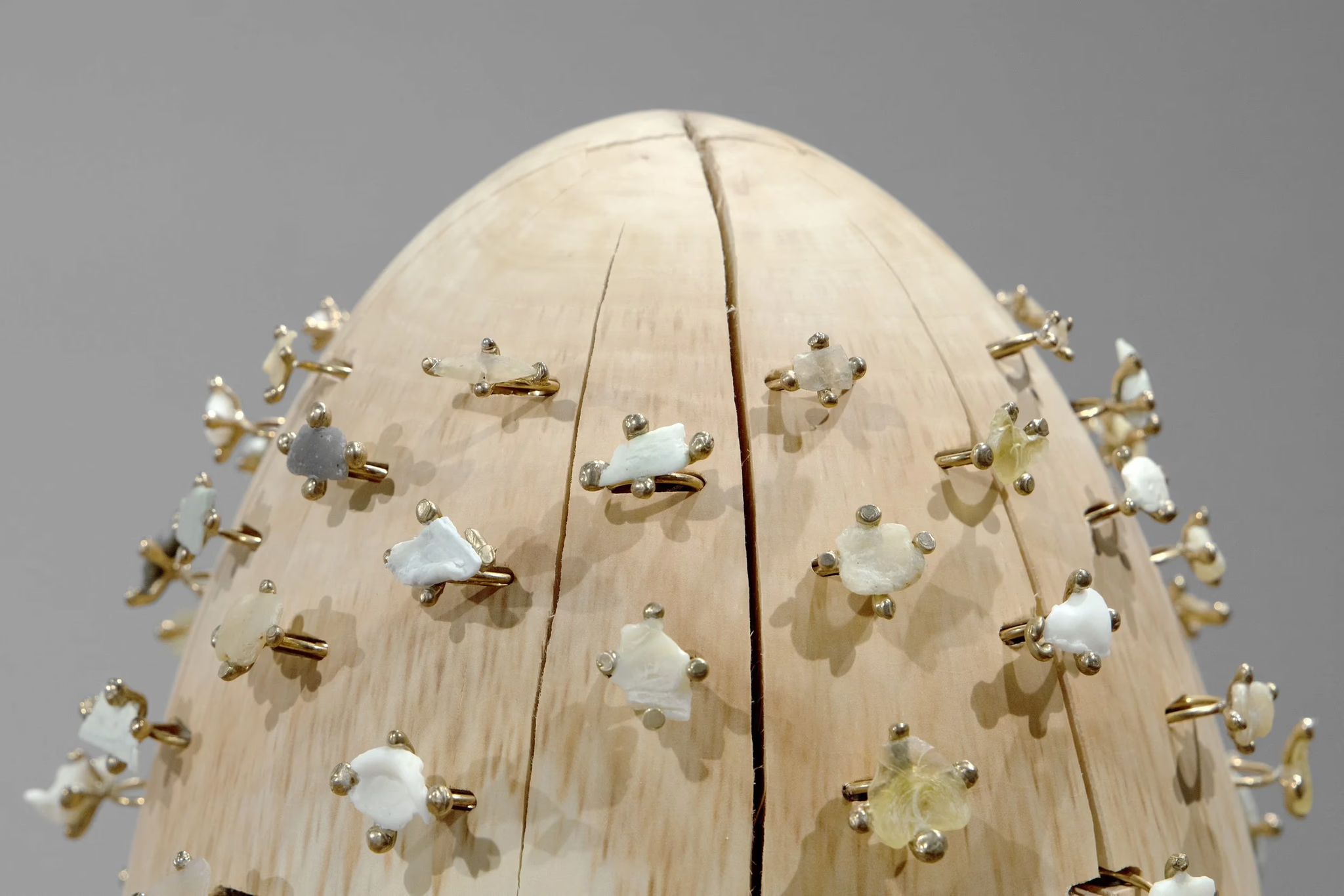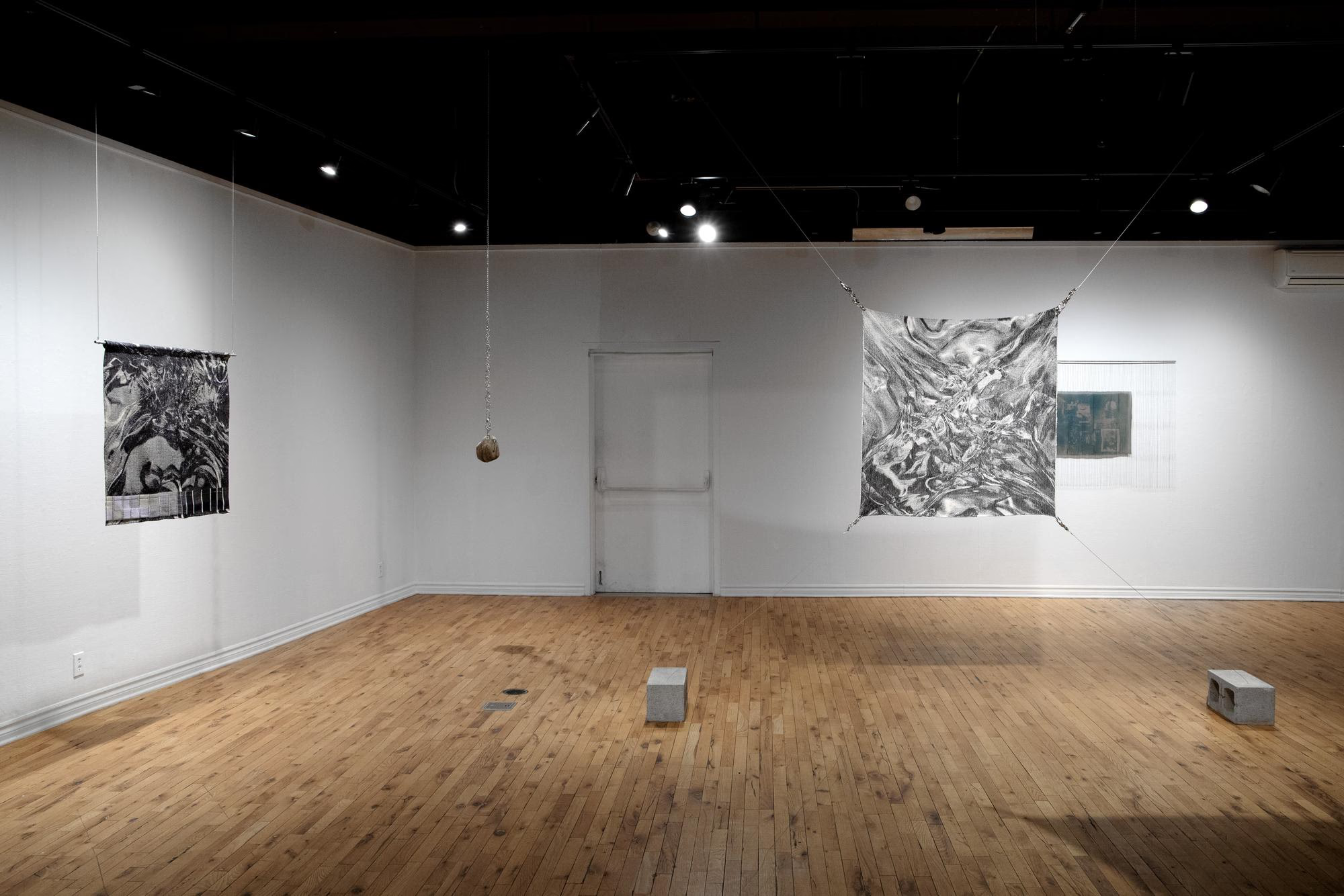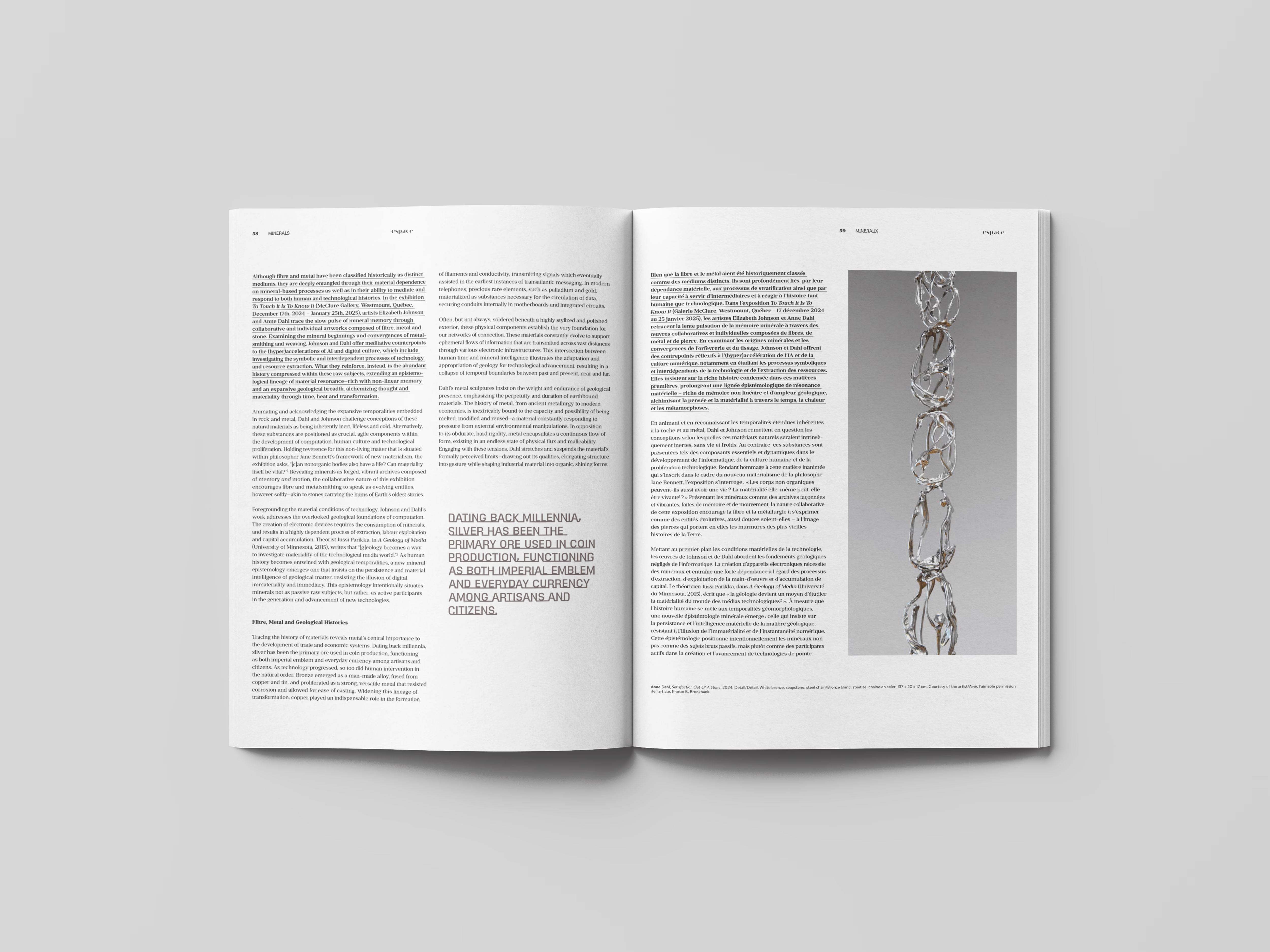
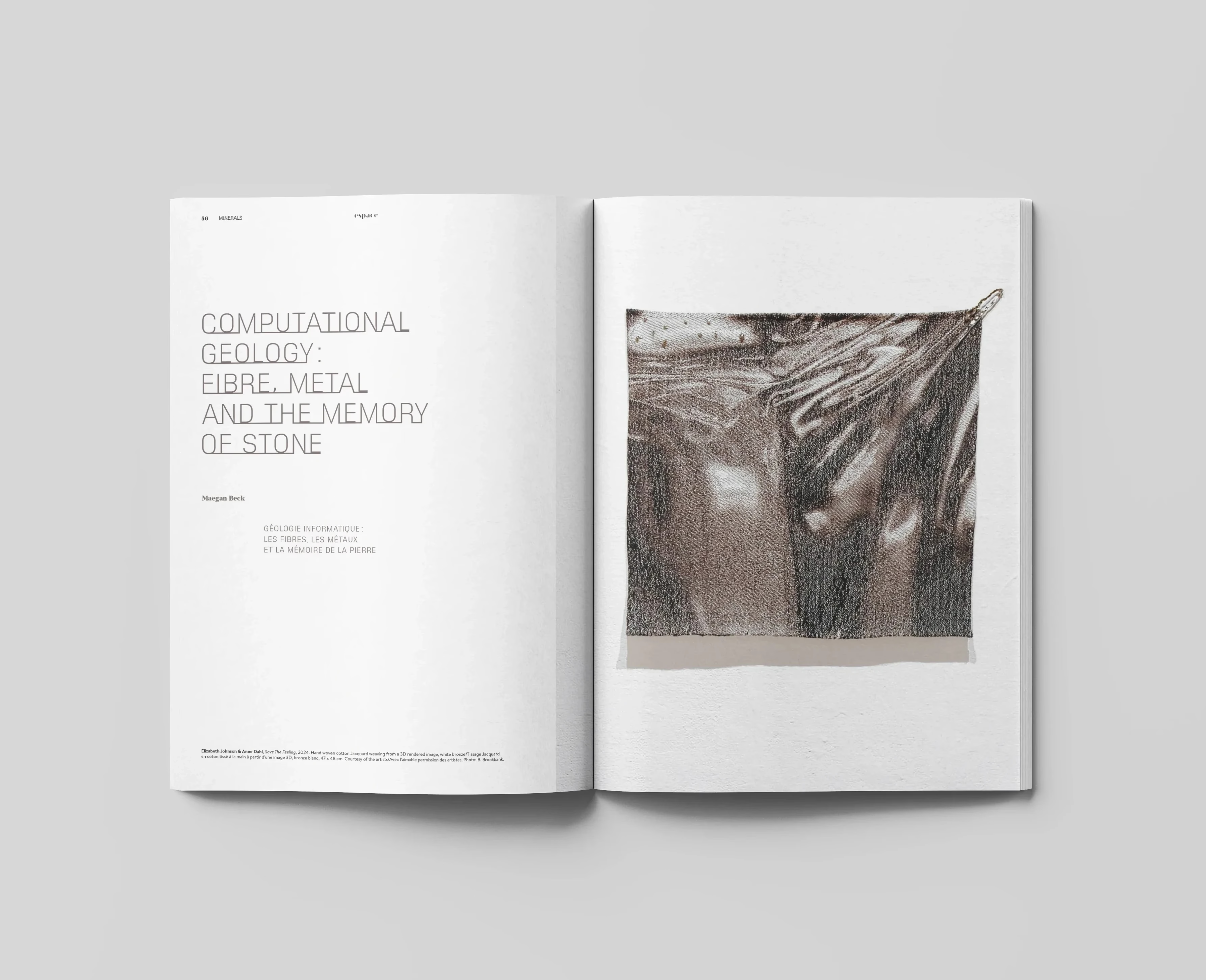
In the exhibition To Touch It Is To Know It (McClure Gallery, Westmount, Québec, December 17th, 2024 until January 25th, 2025), artists Elizabeth Johnson and Anne Dahl trace the slow pulse of mineral memory through collaborative and individual artworks comprised of fibre, metal, and stone. Examining the mineral beginnings and convergences of metalsmithing and weaving, Johnson and Dahl offer meditative counterpoints to the (hyper)accelerations of AI and digital culture, investigating the symbolic and interdependent processes of technology and resource extraction. What is reinforced instead is the abundant history compressed within these raw subjects, extending an epistemological lineage of material resonance — rich with non-linear memory and an expansive geological breadth — alchemizing thought and materiality through time, heat, and transformation.
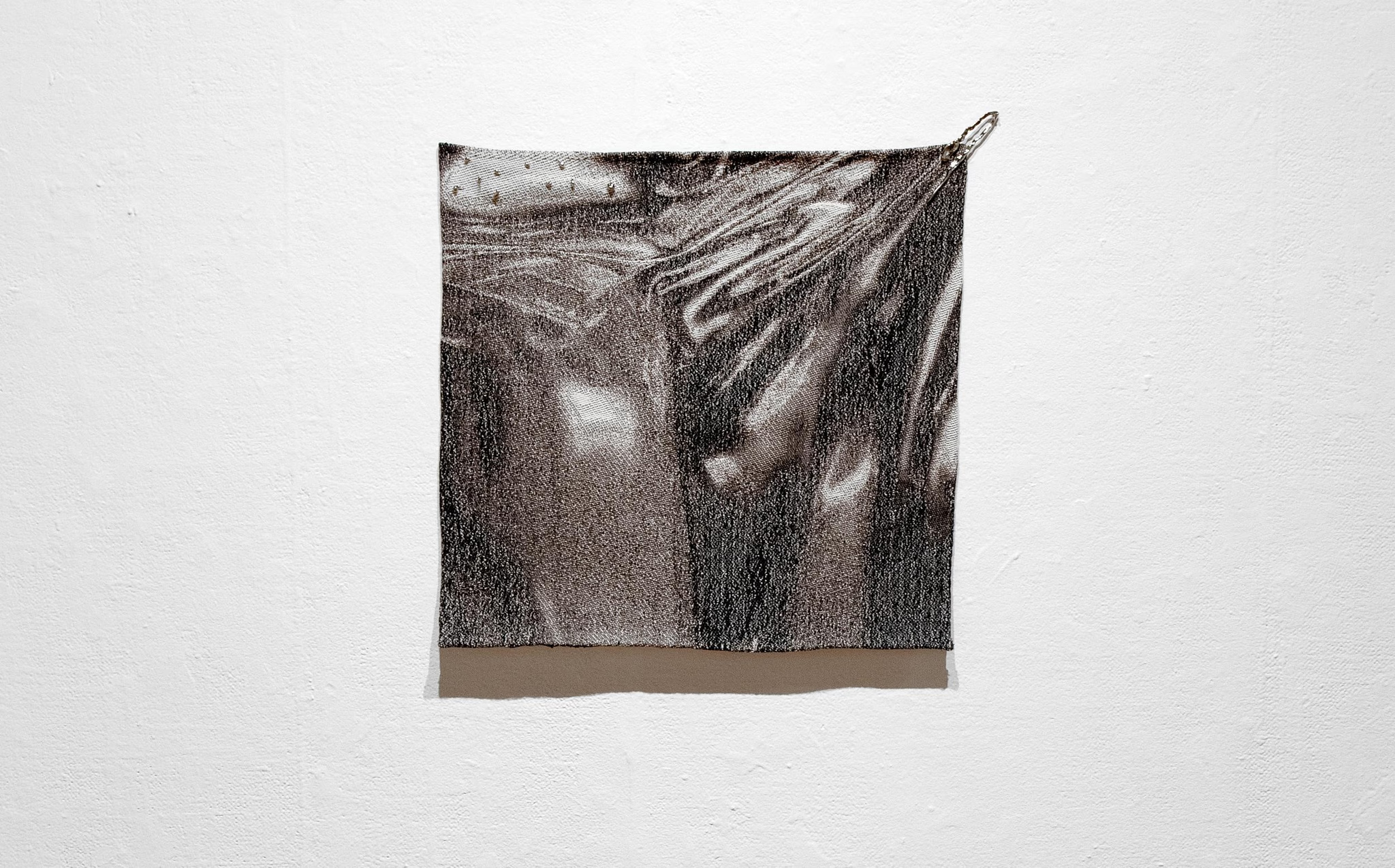
Implicating their artworks within a framework that resists the dizzying acceleration of technological connection, Dahl and Johnson unquestionably call on us to pause and honour the slow, methodical, and involved labour of both weaving and metalwork. Contextualized in contrast to the rapid explosion of artificial intelligence within expanding digital terrain(s), their collaborative sculptural interventions critique the systemic structures that rely upon the cyclical exploitation of natural resources. These emergent technologies, though arguably enriching, simultaneously complicate our understanding, alchemizing the very information we consume while structurally relying upon extractive geological architectures for their continuity. Stripping the earth of naturally found resources, these reserves, through ecological sensitivity toward climate change and through contemporary scientific inquiry, have proven finite. In tandem with unethical or overtly illegal mining procedures, repercussions reverberate far beyond the site of manufacture — inextricably linked often to the exploitation of bodies and labour, emboldened through colonial ideologies of domination and control.