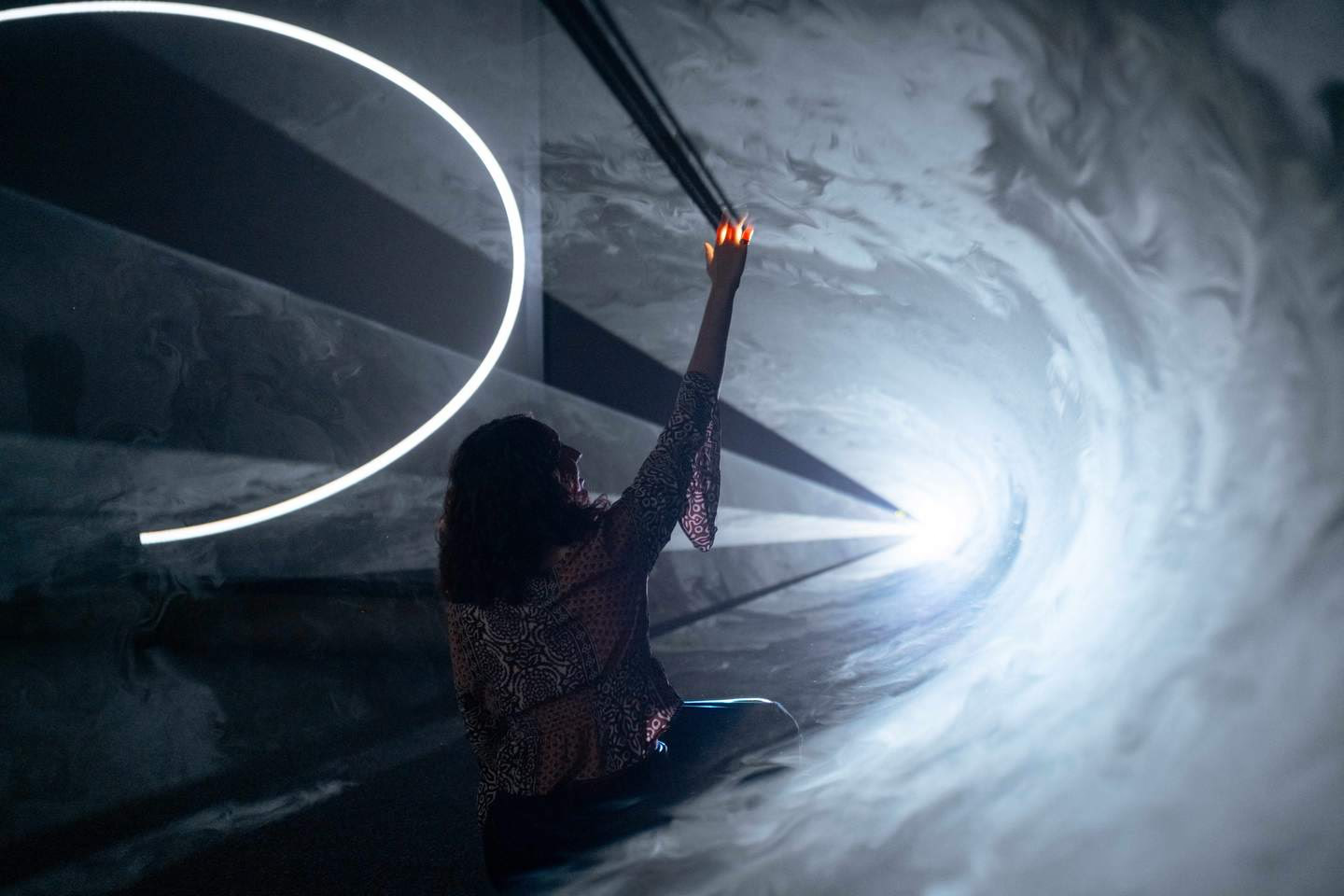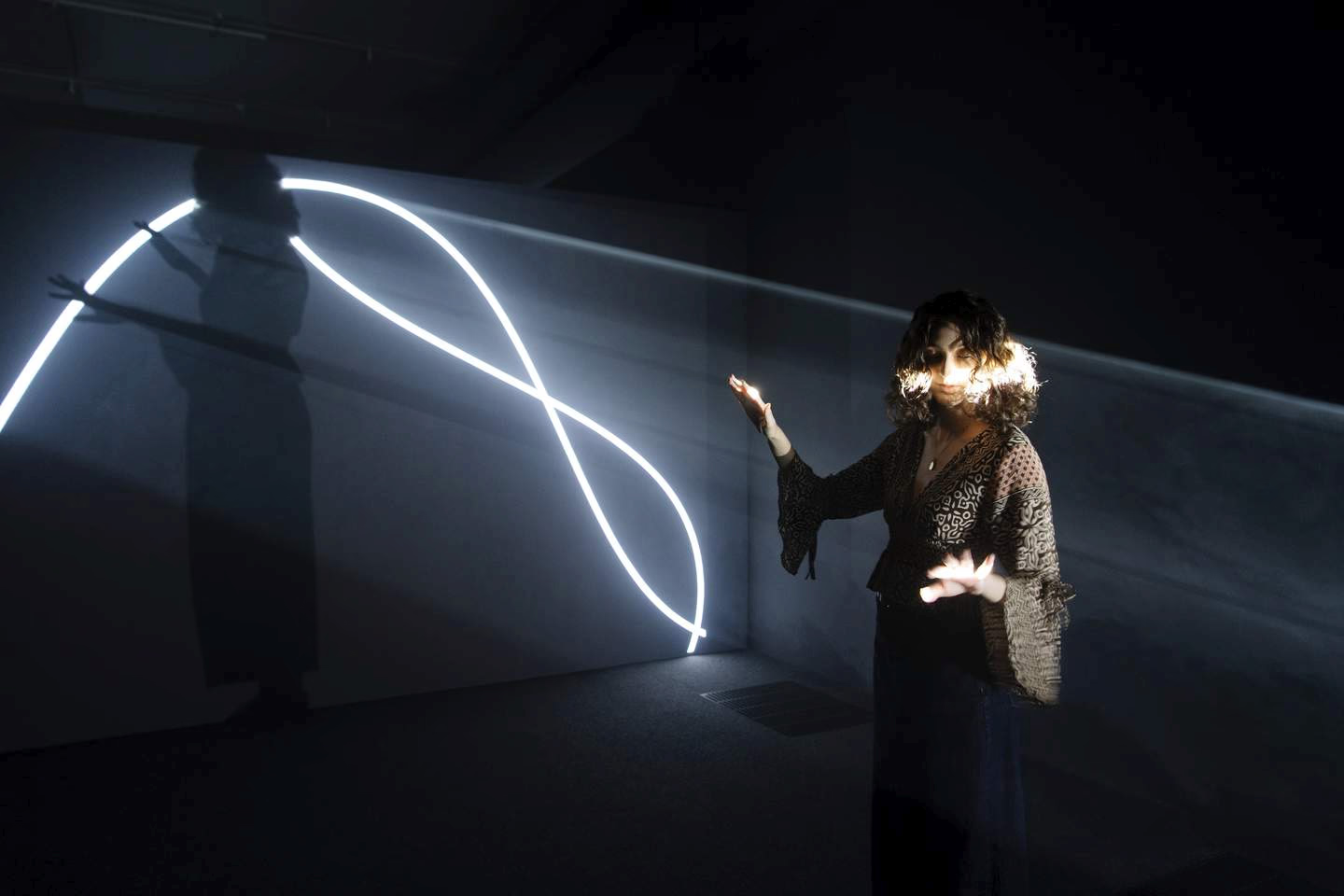
McCall’s haze is not atmospheric decoration but an ethical condition, enforcing a mode of relation grounded in both partiality and restraint. By preventing total clarity, it protects the work, and by extension, the viewer, from overdetermination. What matters here — and the word bears its full weight — is not simply what is physically present, but what is permitted to count.
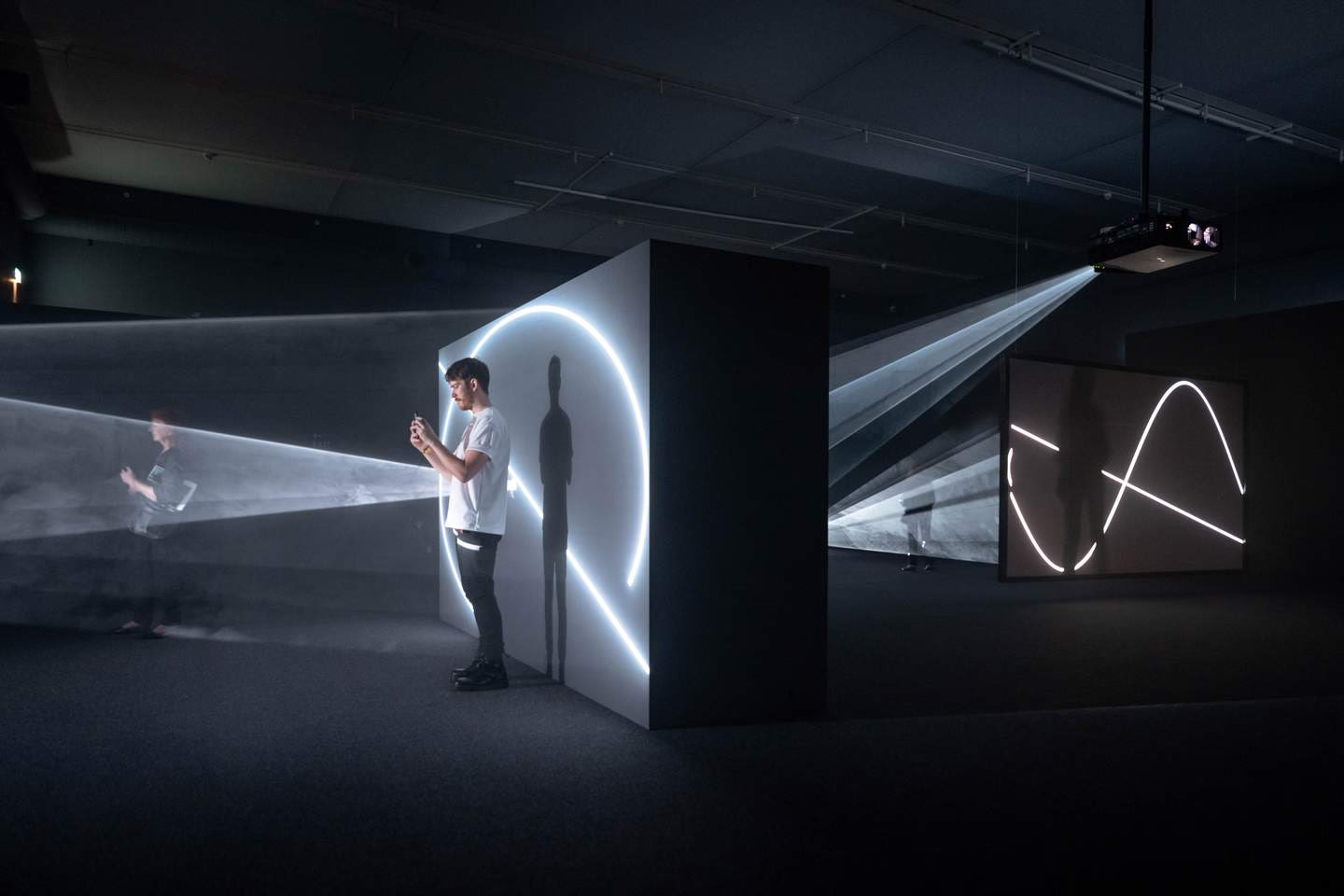
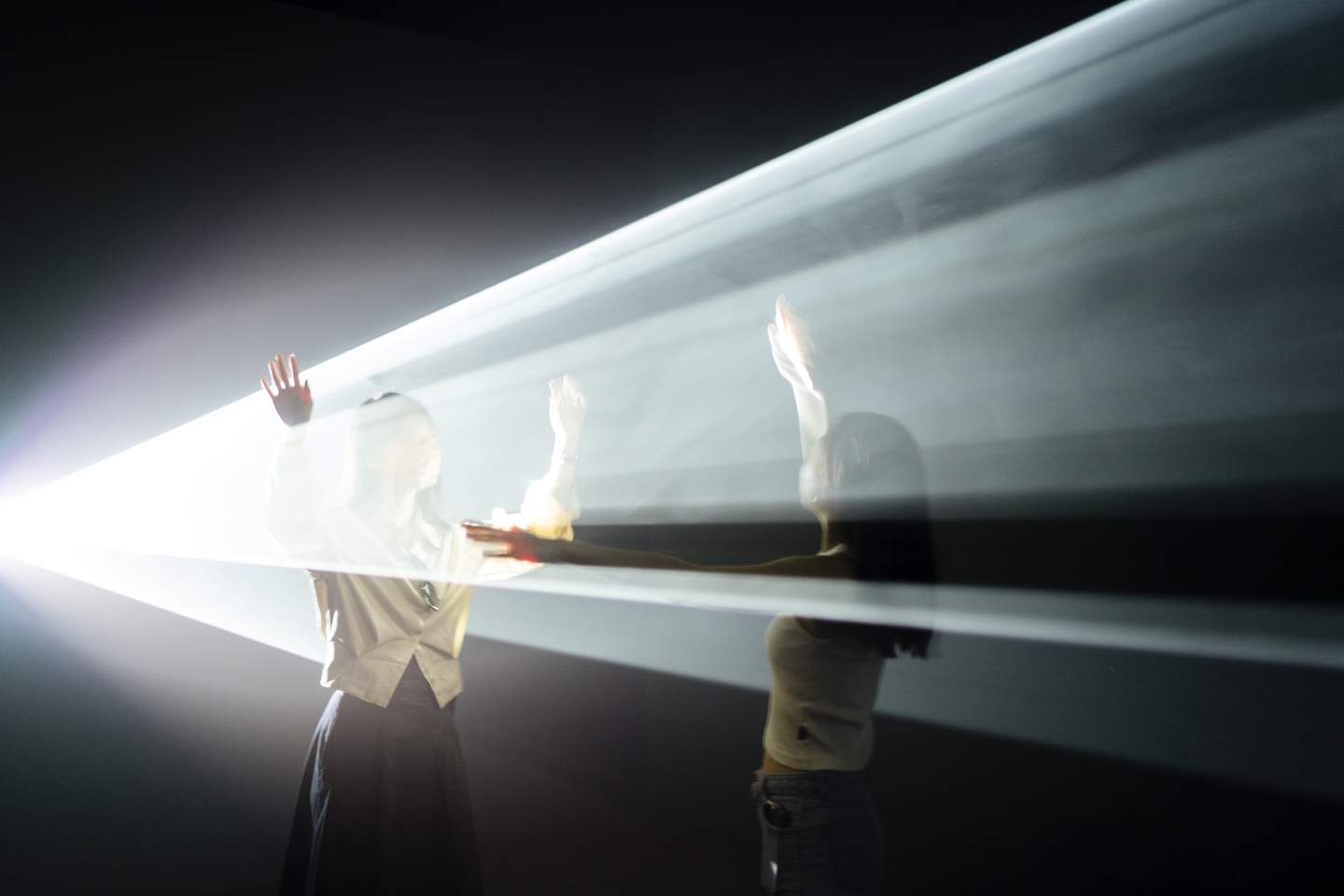
Visibility resists neutrality because matter is never neutral; the mist determines what can be seen, how edges form, where the beam gains density or dissipates. Light does not transcend its material conditions; it remains bound to air, dust, and movement.